
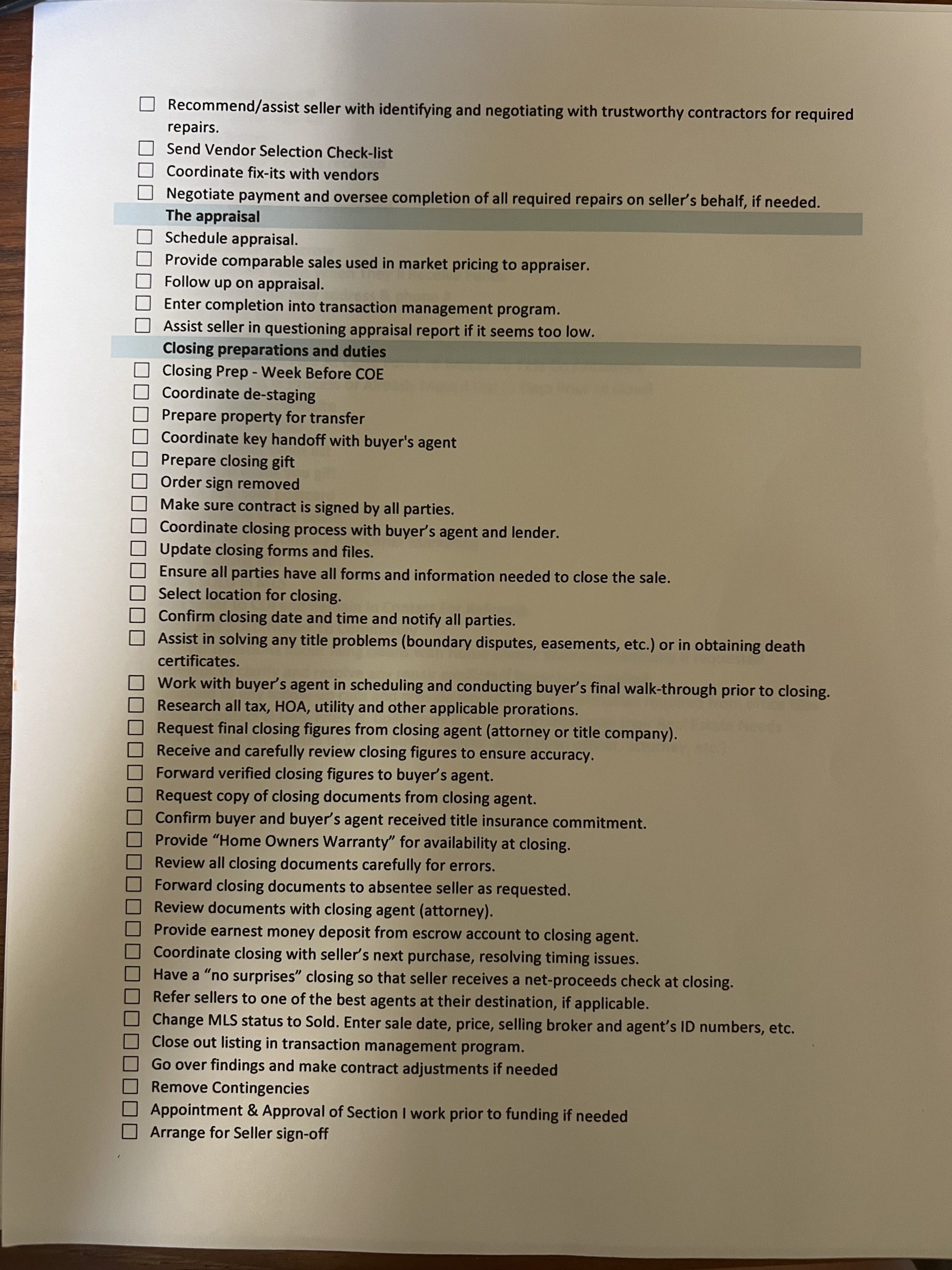

The busier you get as an agent, the more likely it is that something will slip through the cracks.
Not because you don’t care.
Not because you’re careless.
And not because you’re bad at your job.
But because you’re human.
We are not built to remember everything – deadlines, forms, follow-ups, contingencies, disclosures, emails, text messages, tasks, promises. And if you don’t have systems and processes in place, whether digital, manual, or a collection of sticky notes on your desk, it’s only a matter of time before something gets missed.
I know this because I used to think I was the exception. I wasn’t.
The Moment I Realized I Wasn’t Superhuman
For a long time, I believed I had it all handled.
I kept everything in my head.
I relied on memory.
I trusted that I’d “remember later.”
And honestly? For a while, it worked. Until one day it didn’t.
Something slipped. It was small on paper but significant in practice. And in that moment, I realized just how vulnerable even the most well-intentioned professionals can be when they rely on memory instead of systems.
Thankfully, we were able to backpedal.
Thankfully, the issue was resolved.
Thankfully, the client was gracious and extended me the grace I needed in that moment.
But here’s the part that stuck with me: It doesn’t always work out that way.
The Words You Never Want to Hear
There are words no professional ever wants to hear:
“Will the defendant please rise?”
Those words don’t always come from malice. They come from oversight. From missed deadlines. From forgotten steps. From systems that weren’t in place early enough.
And by the time you’re busy enough to need systems, it’s often too late to build them calmly.
Why Being Busy Increases Risk (Not Just Revenue)
Success doesn’t just bring more income. It brings more responsibility. More clients. More transactions. More deadlines. More exposure. And exposure without structure is dangerous.
The agents who get into trouble aren’t usually reckless, they’re overwhelmed.
Memory Is Not a System
Let’s say this plainly:
Your brain is not a CRM.
Your inbox is not a task manager.
Your good intentions are not a compliance plan.
Even sticky notes while helpful only work until they don’t.
What “Systems” Actually Means
When people hear “systems,” they often imagine something overwhelming or expensive. It doesn’t have to be. Systems can be:
- Digital checklists
- Transaction management software
- Shared calendars with reminders
- Written step-by-step processes
- Manual binders
- Task lists assigned by role
The format matters less than the consistency. A system only works if you actually use it.
Why You Must Build Systems Before You’re Busy
This is the part most people get wrong.
They wait until:
- They have too many clients
- They feel overwhelmed
- They’re already behind
That’s when mistakes happen. Building systems while things are calm allows you to:
- Think clearly
- Identify risk points
- Create redundancy
- Test and refine
Once you’re busy, you’re reacting not designing.
Grace Is Not Guaranteed
I was fortunate. My client was understanding. The issue was fixable. The outcome was not catastrophic.
But grace is not guaranteed.
Not every client is patient. Not every oversight is recoverable. Not every situation can be undone. Professional responsibility requires assuming that one day, something will go wrong and preparing for that day in advance.
Strong Systems Protect Everyone
Good processes don’t just protect you. They protect:
- Your clients
- Your reputation
- Your license
- Your peace of mind
They also create consistency, which builds trust. Growth without process is fragile.
A Client’s Perspective
“Amazing, personable company who go the extra mile for their clients! We loved their family Christmas cinema event, thank you.”
— Abbie Frost
Frequently Asked Questions
1. What kind of systems should an agent have?
At minimum: transaction checklists, deadline tracking, communication logs, and document management.
2. Do systems have to be digital?
No. Manual systems work too…if they’re consistent and reliable.
3. What’s the biggest mistake agents make?
Waiting too long to implement structure because things feel “manageable.”
4. Can systems slow you down?
Initially, yes. Long-term, they save time and prevent costly mistakes.
5. What if I’m already busy?
Start small. Add one system at a time but start now.
The Bottom Line
Being busy doesn’t make you careless. Being human doesn’t make you irresponsible. But ignoring the need for systems does make you vulnerable.
Put the processes in place now before you’re overwhelmed, before something slips, and before you ever hear words you never want to hear. Because when you get busy, your systems will either protect you or expose you.
Want Help Thinking Through Safer, Smarter Processes?
If you’re an agent or business owner feeling stretched or preparing for growth – I’m always open to honest conversations about systems, structure, and sustainability. Visit HART Realty Team or connect with me at @AshleyHartRealtor.
Because prevention is always easier than recovery.