
Buying a home in Texas comes with realities that are simply part of the market. One of the most important and most misunderstood is foundation performance. In Texas, foundation work is not an unusual event or a sign of a poor home choice. It is maintenance. The key difference between a confident buyer and a regretful one is awareness before closing.
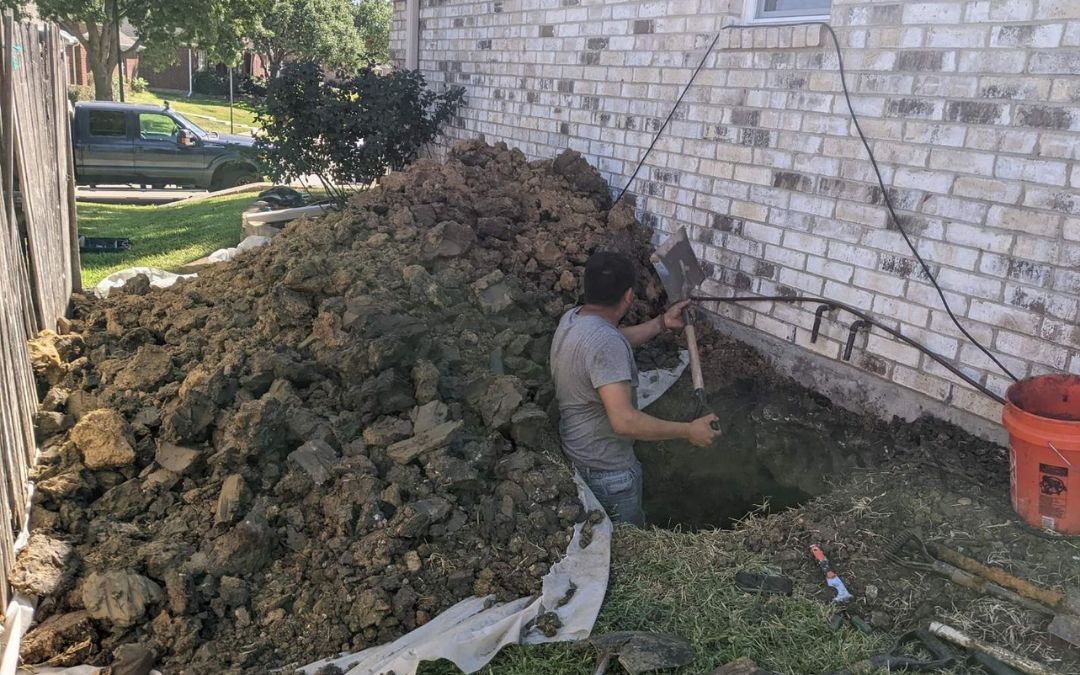
This is not a theoretical concern. It is a lived experience. My last home required foundation work three separate times over twelve years. That does not mean it was a bad purchase. It does not mean the home lacks value. It means the foundation, like many in Texas, needs monitoring and periodic correction (pier and beam). Understanding that upfront makes all the difference.
If you are buying a home in Texas, a foundation evaluation should be viewed as essential due diligence, not an optional extra. This article explains why foundation movement is common, what buyers should look for, and how to approach the issue without unnecessary fear or overreaction.
Foundation Movement in Texas
Texas soil conditions are well known for expansive clay. These soils expand when they absorb moisture and contract during dry periods. Over time, this movement places stress on foundations. The result can be shifting, settling, or minor cracking.
This does not mean homes are unsafe by default. It means foundations behave differently here than in other regions. Many homes will experience some degree of movement over their lifespan. The presence of prior foundation work is not automatically negative. In many cases, it indicates that the issue was identified and addressed.
The mistake buyers make is assuming foundation work equals a deal breaker. In reality, the real risk is not knowing the condition of the foundation at all.
Consider a Foundation Evaluation Before You Buy
A general home inspection is not the same as a foundation evaluation. While inspectors may note visible concerns, they are not typically providing a structural analysis. A foundation evaluation performed by a qualified professional gives you a clearer understanding of whether movement is cosmetic, ongoing, or stabilized.
This information allows you to make informed decisions. You may decide to move forward knowing future maintenance is likely. You may negotiate repairs or pricing. Or you may decide the home does not align with your risk tolerance. All of those outcomes are valid. What is not advisable is proceeding without clarity.
Buying first and discovering foundation issues later is when regret and unexpected expense tend to appear.
Cracks Are a Signal, Not a Verdict
One of the most common questions buyers ask is about cracks. Cracks in walls, ceilings, brick, or flooring are signals that movement may have occurred. They are not automatic indicators that a home should be avoided.
Some cracks are cosmetic and result from normal settling. Others suggest more significant movement that should be evaluated further. The presence of cracks means it is time to ask questions, not time to panic.
The purpose of a foundation evaluation is to determine whether the movement is historical, active, or progressive. Understanding that distinction helps buyers assess future responsibility rather than reacting emotionally to surface level signs.
Foundation Work Does Not Equal a Bad Purchase
There is a stigma around foundation repairs that does not align with reality in Texas. Many well maintained, high value homes have had foundation work at some point. In fact, homes that have been evaluated and repaired can sometimes offer more predictability than homes that have never been assessed.
The key is transparency and documentation. Knowing when work was done, what type of repair was completed, and whether warranties or monitoring plans exist helps buyers plan appropriately.
Owning a home in Texas often means accepting that foundation maintenance is part of long term ownership. That acceptance allows buyers to focus on overall value rather than chasing an unrealistic expectation of permanence.
Planning for Ownership, Not Just Purchase
Smart buyers think beyond closing day. If you are purchasing a home in Texas, it is wise to plan for future foundation monitoring just as you would plan for roof maintenance or HVAC replacement.
This mindset reduces stress and financial surprises. It also leads to better long term satisfaction because the home is viewed as an asset that requires care rather than a fixed object that should never change.
Foundation evaluations are not about discouraging purchases. They are about aligning expectations with reality so buyers can move forward with confidence.
The Value of Trusted Professional Contacts
Not all foundation professionals operate the same way. Having access to reliable evaluators and repair specialists can make the process far less intimidating. A qualified professional will explain findings clearly, outline realistic options, and avoid unnecessary alarm.
If you are unsure who to contact or how to interpret a report, working with someone experienced in the Texas market can help you navigate the process calmly and responsibly.
Frequently Asked Questions
1. Is foundation movement common in Texas homes?
Yes. Due to soil conditions, many homes experience some degree of foundation movement over time. This is widely recognized as part of long term ownership in Texas.
2. Does previous foundation work lower a home’s value?
Not necessarily. In some cases, documented repairs can provide reassurance that known issues have been addressed.
3. Are cracks always a sign of serious problems?
No. Cracks can be cosmetic or structural. A professional evaluation is needed to determine their significance.
4. Should I skip a foundation evaluation if the home looks fine?
It is still advisable. Some foundation issues are not immediately visible without proper assessment.
5. Can foundation issues be managed long term?
Yes. Many homeowners successfully manage foundation performance through monitoring, maintenance, and timely repairs.
Client Testimonial
“Ashley is not just a realtor but a person who is willing to go the extra mile to be your advocate through the process of achieving your goal of home ownership. Ashley and her team are the best! I highly encourage you to contact her for all of your home buying or selling services.”
– Carolina Galaz
Final Thoughts for Texas Home Buyers
Buying a home in Texas means understanding the environment it sits on. Foundation movement is not a flaw unique to certain homes. It is a regional reality. The difference between a confident purchase and a stressful one is preparation.
If you see cracks, if you have questions, or if you simply want peace of mind, getting a foundation evaluation before purchasing is one of the smartest steps you can take.
If you are buying a home in Texas and want trusted contacts for foundation evaluations or repairs, reach out. Having the right professionals involved early can help you understand exactly what you are getting into and move forward with clarity rather than uncertainty.
You can explore HART Realty Team, connect with me at @AshleyHartRealtor, or reach out anytime. I’m here to serve you.