

Whether you are planning to buy land and build from the ground up or you are purchasing an existing property with plans to add an accessory structure, there is one thing you absolutely need to understand before moving forward.
City ordinances and HOA overlays can interfere with your plans. And if you do not research them early, they can cost you time, money, and a lot of frustration.
It is easy to fall in love with an idea. A larger shop. A detached garage. Extra space for work, storage, or hobbies. On paper, it feels straightforward. You buy the property, you build what you need, and you move on.
In reality, every property exists within a framework of rules. City ordinances. Zoning requirements. Property CCRs. HOA regulations. Setbacks. Size limits. Design restrictions. Those rules do not care what you want to build. They only care what is allowed.
A Real Example From a Recent Build
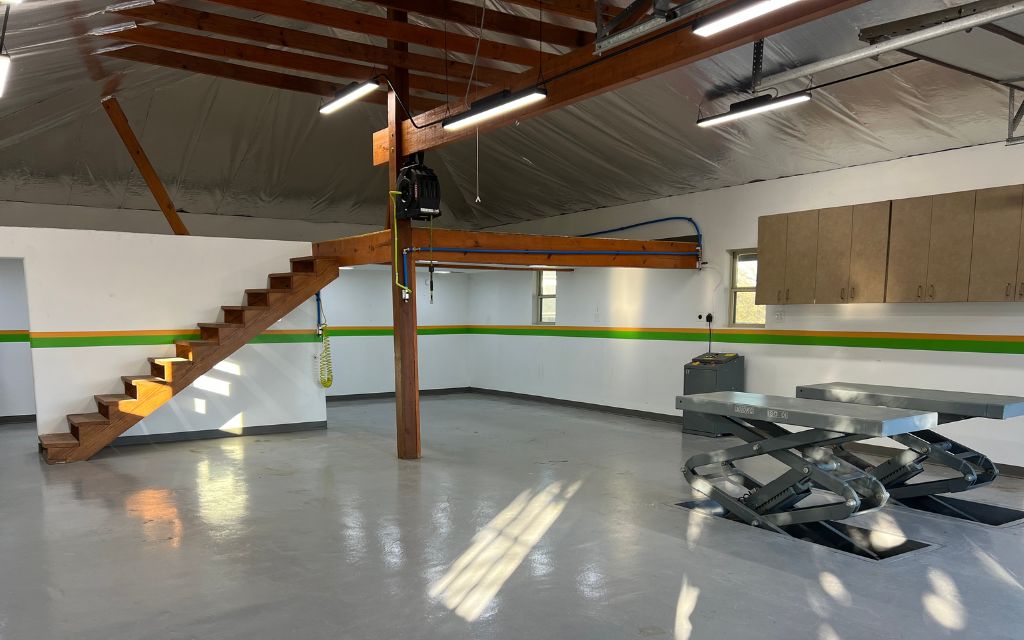
During our recent home build, we ran into this exact issue. We wanted a shop that was large enough to accommodate my husband’s profession. We also wanted the garage doors to face the street, which made sense for functionality and access. Individually, those requests did not seem unreasonable. Together, they became a problem.
When Rules Conflict With Real-Life Needs
The city had a rule stating that garage doors could not face the street unless the structure was detached from the main home. That part was manageable.
But there was another rule layered on top of it. If the structure was detached, it could not be larger than 1200 square feet. We wanted the structure to be detached and larger than 1200 square feet.
Both requirements could not be met under the standard ordinance. This is where many people get stuck.
Why Assumptions Are Expensive
A common mistake people make is assuming that if something seems reasonable, it must be allowed. Or assuming that there is no HOA, so “I can do what I want”. Those assumptions often lead to disappointment later in the process, or worse…buyer’s remorse over the property that was purchased.
Some people assume they can figure this out later. But future plans still impact present value.
If you buy a property assuming you can add something later and then discover you cannot, that affects how the property functions for you long-term.
Understanding limitations upfront protects your expectations.
Working With the City Instead of Against It
City ordinances are not written with individual use cases in mind. They are written to apply broadly. That means they sometimes create limitations that feel disconnected from how people actually live and work. Understanding that early changes everything.
Instead of walking away or forcing a design that would get denied, we worked directly with the city. We collaborated with them to create a design option that met our functional needs while still falling within the intent of their ordinances. This took time. It took flexibility. It required being open to alternative solutions. And it cost a LOT more money.
But it worked.
Why Solutions Exist When You Know the Rules
Many people do not realize that there can be options within the rules. Variations. Design adjustments. Alternative layouts. Those options are much easier to explore when you understand the ordinances upfront. When you discover restrictions late in the process, your options become limited and expensive.
HOA Overlays Add Another Layer
City rules are not the only factor. HOA overlays can add another layer of restriction. Even if a city allows a structure, an HOA may not. Or it may impose additional requirements related to size, placement, or design. Ignoring HOA rules is one of the fastest ways to delay or derail a project.
Why Research Should Happen Before You Purchase
The moral of the story is simple. Do your research before you purchase the property. Once you own the property, your leverage is reduced. You are solving problems instead of preventing them. Before committing, you should understand what is allowed, what is restricted, and where flexibility might exist.
Questions to Ask Early
What types of structures are allowed?
What size limits apply?
Are there restrictions on placement or orientation?
Do HOA rules differ from city ordinances?
Is there a process for exceptions or design alternatives?
Getting answers to these questions early allows you to make informed decisions.
How Professionals Can Help Navigate This
Working with professionals who understand how ordinances and overlays work can save you significant time and stress.
They can help identify potential conflicts early and guide you through conversations with city officials or HOA boards if needed.
That guidance is especially valuable when plans are specific or non-standard.
Flexibility Is Often the Key
The goal is not to fight the rules. The goal is to understand them well enough to work within them creatively. Flexibility in design often opens doors that rigid expectations keep closed.
What This Experience Reinforced for Me
This experience reinforced how important it is to look beyond the property itself. The land, the structure, and the price are only part of the picture.
The rules governing what you can do with that property matter just as much.
This is not just about shops or accessory buildings. It applies to any future plans. Additions. Detached structures. Layout changes. There is a section in the TREC 1-4 Family Residential Contract that allows you time to research. Use it. If it matters to you, it should be researched early.
The Bottom Line
If you are buying land or a property with plans to build or add later, research first. It is far easier to adjust expectations before you buy than to adjust plans after.
Frequently Asked Questions
1. Do ordinances apply to every property?
Almost always yes. There will always be exceptions, but almost every property falls under some form of regulation.
2. Can HOA rules override city allowances?
Yes. HOAs can impose stricter rules than the city.
3. Is it possible to get exceptions to ordinances?
Sometimes. It depends on the city, the request, and the process. Talk to Planning and Zoning and/or the Board of Adjustments Committees to understand which steps to take and in what order.
4. When should I research building restrictions?
Before purchasing a property, not after.
5. Who can help with this research?
Real estate professionals, city planning departments, and HOA boards are good starting points.
Client Testimonial
“Talk about a sale!!! Ashley helped us sell our home, well, not just sell it; our house was HOT on the market, and Ashley had a huge part in that! She knows the market and knew exactly how to sell our home! She helped us present our home in the most desirable way. Her professionalism and communication is A+! I am so pleased and glad that we chose Ashley as our real estate agent, she is so knowledgeable and well informed and I feel like her passion really shines through with how well she advocates for her clients! Thank you so much Ashley!!!”
– Rachel Hilton
Final Thoughts And Next Step
Buying property with future plans can be exciting, but it comes with responsibility. Understanding city ordinances and HOA overlays is not optional if you want to avoid surprises.
If you are considering buying land or a property with plans to build or add later and want help understanding what is realistically possible before you commit, I am always open to a conversation.
You can explore HART Realty Team, connect with me at @AshleyHartRealtor, or reach out anytime. Doing the research early is not just smart. It is protective.