
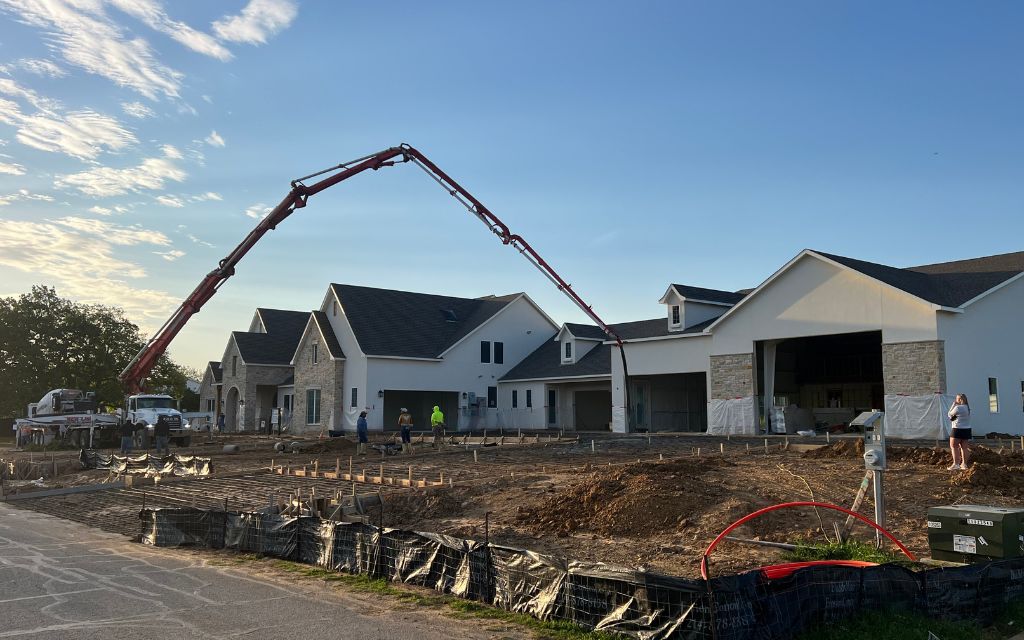

If you are considering buying a home right now, new construction is probably already on your radar. This decision is not about trends or aesthetics. It is about risk, cost control, and peace of mind. Below, I want to walk through a few pros and cons of buying new construction, based on what buyers actually experience after they move in – not marketing brochures or builder promises. The goal is to help you decide whether new construction makes sense for your situation before you sign a contract.
Pro #1: Everything Is New
The most obvious benefit of buying new construction is also the most practical. Everything in the home is new. The HVAC system, roof, windows, appliances, plumbing components, and electrical systems have not been used before you move in.
For many buyers, this translates directly into fewer surprises during the first year of ownership. You are far less likely to move in and immediately face a costly repair, such as replacing a failed air conditioning unit or discovering aging plumbing issues behind the walls.
While “new” does not mean “perfect,” it does mean that most components are at the beginning of their usable lifespan. That alone can significantly reduce stress, especially for buyers who are stretching their budget and want predictable expenses early on.
Pro #2: Builder Warranty Coverage Reduces First-Year Risk
In Texas, new construction homes come with a builder warranty that typically covers the first twelve months after closing. Think of this as a bumper-to-bumper warranty on a car. If something fails mechanically during that first year through normal use, the builder is generally responsible for repairing it.
This warranty period can be incredibly valuable. Many buyers are not aware that they can schedule a third-party inspection shortly before the one-year mark. An inspector evaluates the home, documents issues, and provides a report that can be submitted to the builder for repairs before the warranty expires.
This does not mean homeowners can intentionally damage items and expect repairs. It does mean that legitimate mechanical failures or construction-related defects are addressed without large out-of-pocket costs during that first year.
Beyond the builder warranty, many systems and appliances also carry manufacturer warranties. Structural warranties may extend even further. When combined, these protections offer a level of financial predictability that resale homes rarely provide early on.
Pro #3: Lower Immediate Maintenance Costs
New construction typically requires less maintenance in the short term. There is no deferred maintenance from a prior owner, no aging systems approaching failure, and no mystery repairs lurking in inspection reports.
For buyers who want to focus on settling in rather than repairing, this can be a meaningful advantage. Monthly budgets are easier to manage when you are not immediately planning for replacements or upgrades.
That said, it is important to remember that maintenance does not disappear forever. It is simply delayed. New homes still require upkeep, and long-term costs should always be part of your planning.
Con #1: Purchase Price Can Be Higher Than Resale
One of the most common drawbacks of new construction is price. When compared to similar resale homes in the same geographic location, new homes often come at a premium. Builders price in land costs, materials, labor, and profit, and buyers ultimately absorb those numbers.
While incentives may be offered, such as closing cost assistance or interest rate incentives tied to builder preferred lenders, the base price of new construction is often higher. Buyers should evaluate the full financial picture, not just monthly payments, when comparing options.
Con #2: Timelines Are Not Always Predictable
New construction timelines can change. Weather delays, supply chain issues, labor availability, and inspection schedules all affect completion dates. Buyers who need to move by a specific deadline may find this uncertainty challenging.
It is important to build flexibility into your plans and avoid relying on estimated completion dates as firm deadlines. This is especially critical if you are coordinating the sale of an existing home or ending a lease.
Con #3: Not All Builders Are the Same
The quality of a new construction home depends heavily on the builder. Materials, workmanship, and responsiveness during the warranty period can vary widely. A home being new does not automatically guarantee higher quality than a resale property.
This is why inspections and representation matter. Even brand-new homes should be professionally inspected, and buyers should fully understand their warranty coverage before closing.
When New Construction Makes Sense
New construction tends to work best for buyers who value predictability, reduced short-term maintenance, and warranty protection. It can also be a strong option for buyers who prefer modern layouts and systems without immediate renovation projects.
However, it may not be ideal for buyers with rigid timelines, tight budgets, or a preference for established properties. The right choice depends on your financial comfort level, flexibility, and tolerance for risk.
Common Mistakes Buyers Make With New Construction
One mistake buyers often make is skipping representation. Builder contracts are written to protect the builder, not the buyer.
Another is assuming inspections are optional or unnecessary.
A third is focusing only on incentives without evaluating total costs.
Understanding these pitfalls ahead of time can prevent regret later.
Frequently Asked Questions About New Construction
1. Do I still need an inspection if the home is brand new?
Yes. A third-party inspection helps identify issues that may not be visible to the untrained eye and provides documentation for warranty repairs. Some buyers elect to hire the inspector prior to closing. Others hire before the one-year warranty expires. Some do both.
2. What does a builder warranty usually cover?
Most builder warranties cover mechanical and workmanship issues during the first year, with additional structural coverage beyond that. Coverage details vary by builder.
3. Can I negotiate on new construction pricing?
Pricing flexibility varies. Builders may offer incentives rather than price reductions, especially during certain market conditions.
4. Are maintenance costs really lower with new construction?
They are often lower in the first year, but long-term maintenance still applies. Buyers should plan accordingly.
5. Is new construction less risky than buying resale?
It can reduce certain risks early on, but it introduces others, such as timeline uncertainty and builder quality differences.
Client Testimonial
“Ashley is extremely kind and considerate. She has helped my family find multiple homes. She is a very competent realtor that always provides common sense approaches to a tough decision making process. She is eager to help you find what you want in a house. We are blessed to call her our realtor and friend. Another job well done. Thanks again Ashley.”
– Robert Sheets
Final Thoughts and Next Steps
Buying new construction can offer peace of mind, especially during the first year, but it is not a one-size-fits-all solution. The decision should be based on a clear understanding of costs, timelines, warranties, and builder practices.
If you are comparing new construction to resale options and want a neutral, experience-based perspective, I am happy to walk through your specific situation and help you evaluate the trade-offs. A short conversation upfront can save months of frustration later.
Visit HART Realty Team or message @AshleyHartRealtor to connect.