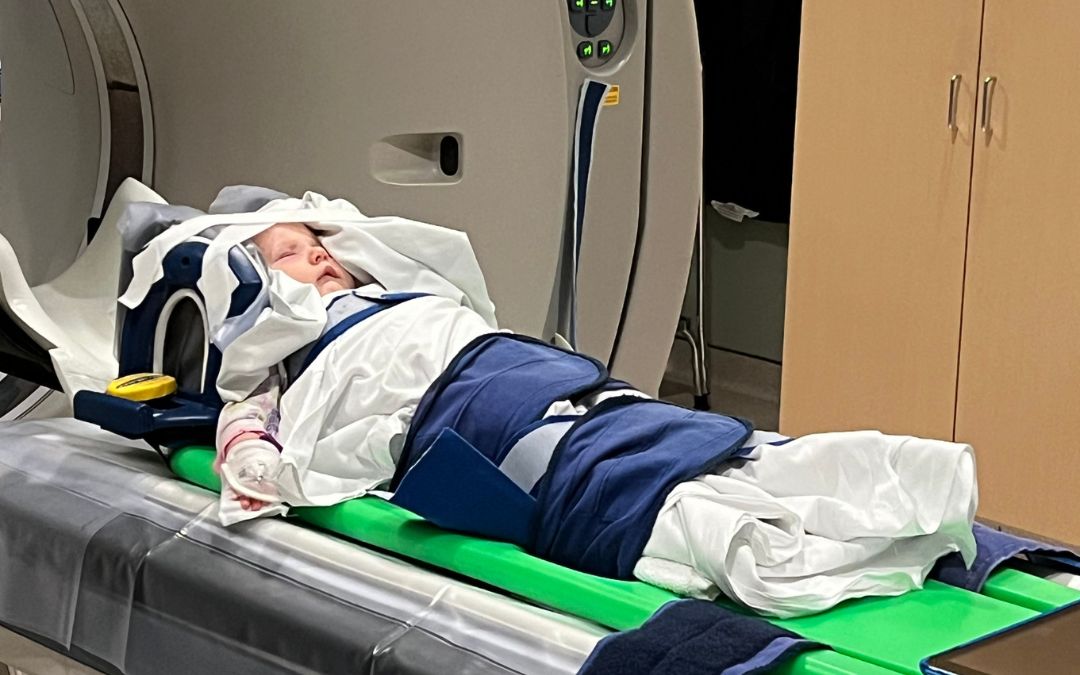
We recently came off an extremely intense and emotional weekend. I was sitting in a hospital room, exhausted, overwhelmed, and forced to make a decision under pressure. I had almost all of the information I needed. Not every detail, but enough to feel confident. I was ninety nine percent sure I was making the right call.
But there was one percent uncertainty.
That one percent carried a risk that I was not willing to accept. If I made the wrong decision, the consequences would have been devastating. I could have lost her. And in that moment, a piece of advice surfaced that changed everything.
You only gamble with what you are willing to lose.
I was not willing to lose her. So I made a decision I would not normally make. I slowed down. I deferred. I allowed someone with more expertise to take the lead. And that choice stayed with me long after we left the hospital.
Because the same thing happens in business far more often than we like to admit.
When Confidence Becomes Dangerous
In business, we praise decisiveness. We celebrate confidence. We reward people who trust their instincts and move quickly. Most of the time, that approach works. Experience matters. Pattern recognition matters. Speed matters.
But confidence can quietly turn into risk blindness.
When you have been doing something long enough, ninety nine percent certainty feels like certainty. That final one percent starts to feel irrelevant. An inconvenience. Something to push aside so progress can continue.
The problem is not the ninety nine percent. The problem is what is attached to the remaining one percent.
Understanding What Is Actually at Stake
Not all risks are created equal. Some risks cost money. Some cost time. Some cost reputation. And some cost things that cannot be replaced.
In the hospital, the risk was obvious. In business, it is often disguised. The downside does not always show up immediately. Sometimes it hides behind short term wins and delayed consequences.
The question is not whether you are mostly right. The question is whether you are prepared to live with the worst possible outcome if you are wrong. If the answer is no, then it is not a calculated risk. It is a gamble.
Why We Ignore the 1%
We ignore the one percent because it feels inefficient to stop for it. We tell ourselves that waiting costs more than moving forward. That hesitation is weakness. That overthinking is the real danger.
Sometimes that is true. But other times, pushing forward is not bravery. It is avoidance. It is choosing speed over responsibility.
The one percent is uncomfortable because it forces us to slow down and acknowledge uncertainty. It reminds us that we do not control outcomes as much as we think we do.
The Difference Between Risk and Recklessness
Risk is part of growth. Avoiding all risk leads to stagnation. That is not the point.
The difference between risk and recklessness is awareness. Risk is taken with eyes open. Recklessness is taken with blind spots ignored.
When you are willing to lose what is on the line, risk can be empowering. When you are not, it becomes dangerous. The hospital decision was not about fear. It was about clarity. I knew exactly what I was not willing to lose.
How This Shows Up in Business Decisions
This shows up when signing contracts without fully understanding the downside. It shows up when scaling too quickly because growth feels urgent. It shows up when cutting corners because everyone else seems to be doing it.
It also shows up in smaller ways. Hiring before systems are ready. Making promises without support in place. Saying yes when you should ask more questions.
Each of these decisions may be ninety nine percent right. But if the remaining one percent carries a cost you cannot absorb, that matters.
Asking the Right Question Before You Decide
Before making a decision, especially a high stakes one, ask yourself a simple question.
If I am wrong, what do I lose?
Then ask another. Am I willing to lose that?
If the answer is no, the decision is not ready yet. That does not mean you walk away forever. It means you gather more information. You bring in expertise. You change the structure of the risk.
You do not gamble with what you cannot afford to lose.
Why Slowing Down Is Sometimes the Stronger Move
Slowing down feels counterintuitive in business. It can feel like giving up control. In reality, slowing down is often how you regain it.
Taking time to fully understand risk does not mean you lack confidence. It means you respect the consequences of being wrong. Some of the most damaging business decisions are made by people who were almost certain they were right.
The Long Term Cost of Ignoring the One Percent
The long term cost is not always an immediate failure. Often it is erosion. Erosion of trust. Erosion of margins. Erosion of energy. Over time, these small overlooked risks compound. They create stress. They create instability. They create situations where one unexpected event can cause outsized damage.
Momentum is fragile. It is built slowly and lost quickly. Protecting it requires more than confidence. It requires judgment.
Learning to Redefine Strength
Strength is not pretending risk does not exist. Strength is deciding which risks are acceptable and which are not. The strongest leaders are not the ones who always charge ahead. They are the ones who know when to pause and reassess. They understand that being right most of the time is not enough when the cost of being wrong is too high.
Applying This Mindset Going Forward
This experience changed how I think about decision making. Not just in emotional moments, but in everyday business choices.
I am more intentional about asking what is truly at stake. I am more willing to slow down when the downside is significant. I am less interested in being fast and more interested in being responsible.
That shift does not reduce growth. It protects it.
Frequently Asked Questions
1. Is taking risks necessary for success?
Yes. Growth requires risk. The key is understanding which risks are acceptable and which are not.
2. How do I know when a risk is too big?
Ask what you lose if you are wrong and whether you can live with that outcome.
3. Does slowing down mean missing opportunities?
Sometimes. But it can also prevent losses that take far longer to recover from.
4. What if I never feel one hundred percent certain?
Certainty is rare. The goal is not certainty. It is clarity around consequences.
5. Can this mindset apply to small decisions too?
Yes. Small decisions compound into big outcomes over time.
Client Testimonial
“I love Ashley, she is great. She is very personable and always has a smile on her face. She is one of the hardest and most determined ladies I know. If you’re looking for someone that is going to work hard for you and get things done in a timely and efficient manner then she is the one for you.”
– Rebecca Cantu
Final Thoughts
Being ninety nine percent sure can feel like enough. Most of the time, it is. But when the one percent carries a cost you are not willing to pay, it deserves your attention.
You only gamble with what you are willing to lose. In business and in life, that principle matters more than speed, confidence, or ego.
If you are facing a decision that feels urgent but carries meaningful downside, it may be worth slowing down.
If you want to talk through risk, timing, and how to move forward without gambling with what matters most, reach out.
Visit HART Realty Team or message @AshleyHartRealtor to connect.